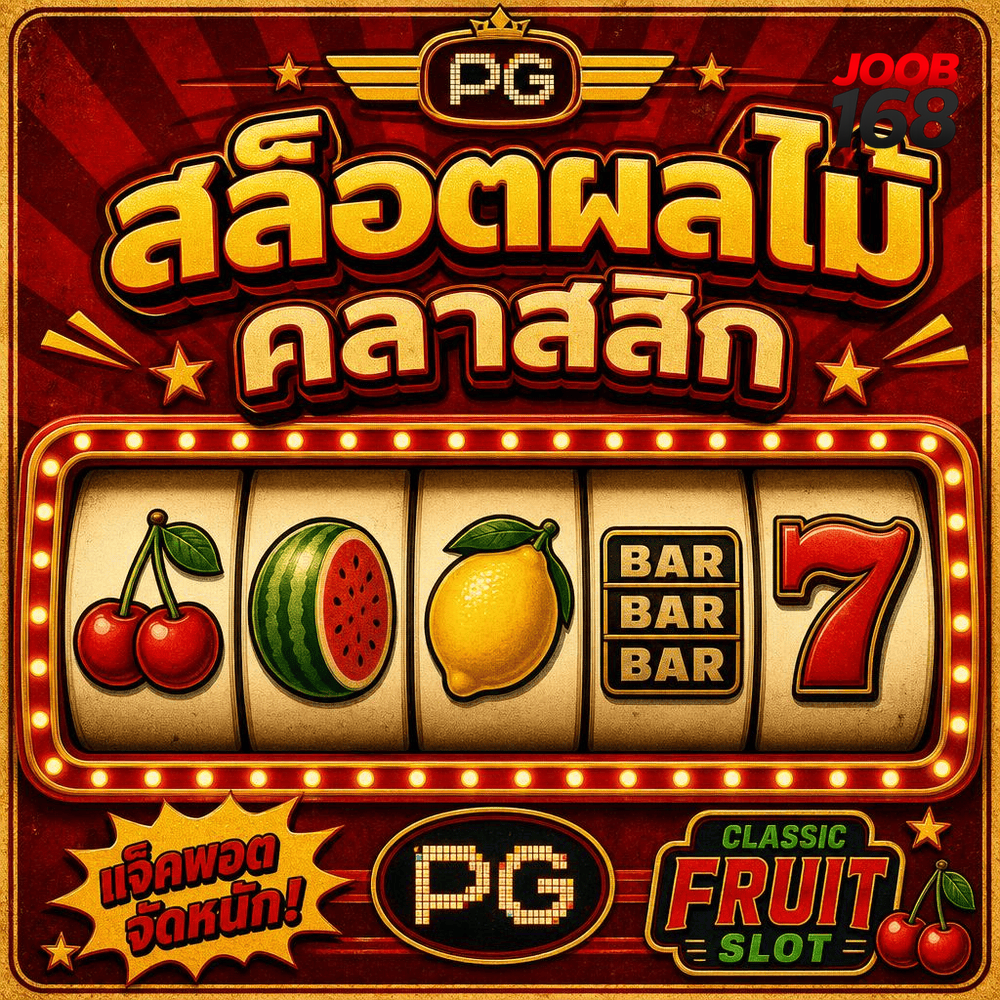
Slot symbols do more than decorate the reels. Wilds, Scatters, and Bonus symbols each have specific jobs that can change how a game plays and what counts as a win. While designs vary widely, the core ideas are consistent: Wilds usually help complete wins, Scatters often pay or trigger features without needing a payline, and Bonus symbols tend to open special rounds. Outcomes remain unpredictable on any given spin because modern digital games rely on random number generation principles; for background on randomness standards in cryptography, see NIST’s guidance on random number generation.
Wild symbols: helpers with important limits
Wilds are the most familiar special symbol. Their primary role is substitution: a Wild typically stands in for one or more regular pay symbols to complete a winning combination. If a line needs one more symbol to connect, a Wild in the right spot can make it happen. In “ways-to-win” formats, a Wild can help bridge symbols on adjacent reels. In cluster games, certain Wilds may connect touching groups.
Common exceptions and variations include:
- Wilds usually do not substitute for Scatters, Bonus symbols, or jackpot/emblem symbols. This is stated in the paytable.
- Some Wilds carry multipliers. If a Wild contributes to a win, the payout may be multiplied by a stated value.
- Wild behavior can change by mode: a Wild might expand during a free-spin round but act as a single symbol in the base game.
- Placement rules vary. Many games limit Wilds to certain reels or introduce them only in features.
- Special forms exist, such as expanding, stacked, sticky (persisting for a set number of spins), walking (moving across reels), or random overlay Wilds.
Because Wild rules differ from game to game, confirm which symbols they can replace, where they can appear, and whether any multipliers apply.
Scatter symbols: paying or triggering without paylines
Scatters most often break the alignment rule. Instead of landing along a payline, they usually pay or trigger features by appearing anywhere on the reels. Many games require a minimum count—commonly three or more—though some use different thresholds. When the requirement is met, Scatters may award free spins, a prize, or entry to a feature.
Key points to watch for:
- Some Scatters pay cash amounts in addition to triggering features; others only unlock a round.
- During bonus modes, Scatters can change roles (for example, they may become upgrade symbols or be disabled).
- Not all games include Scatters. In games that do, their reel positions, counts, and payouts vary.
Since Scatters often ignore paylines, understanding your game’s win evaluation method helps. For a primer on Paylines, Ways-to-Win, and Cluster Pays, see our detailed guide.
Bonus symbols: gateways to special rounds
Bonus symbols typically unlock a separate feature such as a pick game, a hold-and-spin, a wheel, or another mini-round. They are often labeled “BONUS” or represented by a distinctive icon. While Scatters can also trigger features, Bonus symbols frequently come with stricter placement rules.
What to check:
A closely related topic is covered in Time Limits for Gambling Sessions: A Practical Guide to Safer, Sharper Play.
- Reel restrictions. A game might require Bonus symbols specifically on reels 1, 3, and 5, or on adjacent reels starting from the leftmost.
- Quantity. The number of Bonus symbols needed can vary and may interact with other symbols (e.g., boosters or collectors).
- During features. Some games allow retriggers with additional Bonus symbols, while others do not.
Think of Bonus symbols as keys: without the exact combination the game specifies, the feature will not open.
Why the paytable is your best reference
Symbol names are not standardized across all slots, and even familiar labels can behave differently from one title to the next. The paytable (sometimes called “Help,” “Info,” or “Rules”) explains:
- Which symbols Wilds can substitute for and any multiplier effects.
- How Scatters and Bonus symbols trigger features, including minimum counts and reel requirements.
- Where special symbols can appear (specific reels, rows, or only during features).
- Whether features can retrigger and how remaining spins or respins are calculated.
- How wins are evaluated—by paylines, ways, or clusters—and how overlapping wins are handled.
Reading the paytable before you play helps set realistic expectations. It clarifies how the game handles substitutions and triggers, and it prevents misunderstandings about what counts as a win. If you change bet size, revisit the paytable—some displays or example payouts adjust with stake.
Practical, responsible play tips
Treat Wild, Scatter, and Bonus symbols as entertainment mechanics, not income opportunities. Set a budget and time limit that fit your circumstances, and stick to them. Avoid chasing losses and remember that each spin is independent; outcomes can’t be predicted or “due.” If a game stops being fun or you feel pressure to continue, take a break. If gambling is affecting your wellbeing, seek help from support services available in your country.